
Long COVID & post-COVID:
brain fog is measurable
The infection is over, but the fog remains: words vanish, focus collapses, every effort is paid back the next day. “It is psychological” is a sentence about missing measurements. Brain fog after COVID is measurable, in the brain, in the autonomic nervous system, in the blood. And what can be measured can be addressed, step by step and with as little medication as possible.
- Free
- No obligation
- Reply within 2 business days
- Outpatient · Bad Aibling
- Non-invasive
Free & non-binding · usually a reply within 2 business days · confidential
Prefer to talk? Call us: +49 (0)8061 398-0
Perhaps you have been told your results are fine. Yet you sense something is wrong: the exhaustion after exertion, the fog in your head, the racing heart when you stand up, the sleep that does not restore, the feeling of no longer being yourself. You have probably read more about it than most of the doctors you have met. Your experience is our starting point, not the problem.
A relevant share of people report persistent symptoms after a COVID infection; exhaustion, exercise intolerance and cognitive complaints are among the most common.
Symptoms have a map
What patients call “brain fog” is measurable: a slowing in the interplay of the central executive network (concentration, working memory), the salience network (switching, stimulus filtering) and the attention network. EEG studies after COVID-19 frequently show an increase in slow brain waves and altered network activity that correlates with the cognitive complaints (Cecchetti 2022, Silva-Passadouro 2024). Three body systems keep this pattern going, and each has a consequence for the plan. The immune system: after the infection, microglia, the immune cells of the brain, stay activated, even after mild infections, with disturbed myelin formation (Fernández-Castañeda 2022); whoever stimulates only the network while this motor is running is working against it. That is why inflammation and coagulation markers belong in the assessment, and why we keep microclots and endothelial dysfunction in view, a research direction shaped by Prof. Etheresia Pretorius and, in Germany, Dr. Beate Jaeger (Pretorius 2022, Jaeger 2022). The mitochondria: the energy production of nerve cells stalls, and networks lose performance before any scan shows it; that is why every load, including the therapeutic one, gets a dose, and why micronutrients and photobiomodulation play a role. The autonomic nervous system: heart rate variability measurements in many post-COVID patients show a shift towards sympathetic dominance, the body is on permanent alert while the reserves are empty (Mooren 2023); this produces a racing heart on standing (POTS-like pictures), non-restorative sleep, low mood and post-exertional malaise (PEM), in which symptoms worsen with a delay after physical, mental or emotional exertion, often only hours or a day later. That is why we measure heart rate variability, and why regulation often begins at the vagus nerve. A physician interprets the findings and rules out other causes.
For an overview of the six brain networks and a first orientation, see the Brain Network Analysis.
The assessment first, then your program.
Our aim in Long COVID is the same as everywhere at the Douwes Brain Center: to restore the functional balance of brain, nervous system and body, as far as possible without drugs, with the goal of a life with high quality of life. In our program we do this in three steps.
1 · Assessment. A physician brings together what otherwise stays scattered across many practices: history and existing findings, questionnaires on cognition, fatigue, sleep and mood, clinical examination, autonomic testing with heart rate variability and an orthostatic test (how strong is the sympathetic excess, is there a POTS-like pattern?), lab values including inflammation and coagulation markers, and a careful pacing history: when does your system tip, how long does recovery take, what load is still possible right now? A qEEG network profile is added when brain fog or cognitive fatigue are in the foreground and we need to know where processing is slowed and where it is over-activated. The assessment is baseline, progress measure and protection against overexertion in one.
2 · Regulate. From the profile we build an energy-sparing program in which neuromodulation is one building block. In autonomic imbalance, taVNS is often the first: gentle vagus nerve stimulation at the ear that improved fatigue and dysautonomia in Long COVID pilot trials (Gierthmuehlen 2026, Azabou 2026). For brain fog and cognitive fatigue we use, where the evidence supports it, tDCS and rTMS over the prefrontal cortex (Mischke 2026, Oliver-Mas 2023, Sasaki 2023), plus neurofeedback to stabilise the measured rhythm and photobiomodulation for the mitochondria (Lim 2026). Beside it stand sleep regulation, micronutrient infusions for the energy supply where the lab work justifies them, and psychological support after months in which hardly anyone believed you. For selected patients with evidence of microclots and endothelial dysfunction, H.E.L.P. apheresis is available as an option at our parent clinic, Clinicum St. Georg, a research direction that we weigh medically and name as such (Jaeger 2022). Existing medication is never changed without your treating physicians.
3 · Restore. Neuromodulation opens a window; it is used through pacing-based rebuilding instead of pushing through, through sleep regulation, dosed physiotherapy and breathing work, and through follow-up measurement: we repeat heart rate variability and, where it was measured, the qEEG and compare them with the baseline profile. That way you see what has objectively changed, and we adapt the program instead of simply letting it run.
Our aim stays the same: to restore functional balance, with as little medication as possible and a life with high quality of life as the measure.
You don’t have to decide anything today. A 15 to 20 minute conversation is enough to know whether an assessment is worth it for you.
Free & non-binding · usually a reply within 2 business days · confidential
Who it is for, and who it is not for
A good fit if …
- Your symptoms (brain fog, fatigue, racing heart, sleep) have persisted for more than three months after a COVID infection
- Routine findings were unremarkable, yet you feel your system is out of balance
- You want a measurement-based, drug-sparing path – not the next prescription
- Exertion is paid back with a delay (PEM) and you are looking for a path that respects this
- You can attend outpatient appointments in Bad Aibling – happily at an energy-sparing pace
Less suitable if …
- You have acute warning signs (chest pain, shortness of breath, new paralysis, confusion) – that belongs in the emergency department immediately
- You expect a procedure that "removes" long COVID – serious medicine cannot offer that yet
- You want a purely remote or online treatment without on-site measurement
In an acute crisis or having suicidal thoughts? Please seek immediate medical or emergency help — in Germany call 112, or the free 24/7 helpline Telefonseelsorge 0800 111 0 111.
The first consultation is free. We discuss the scope, duration and cost of any program openly afterwards, outpatient, here in Bad Aibling.
What the research shows
Peer-reviewed work on Long COVID & Post-COVID (Brain Fog, Fatigue) and the relevant procedures, graded by evidence level. No study proves an individual outcome.
In short: for some procedures the evidence is solid, for others still early. Where your case stands is settled in the assessment, and the program follows from it.
Modulating subjective and objective cognitive state fatigue in long COVID with repetitive anodal tDCS: results from a double-blinded randomized controlled trial
Transcranial direct current stimulation for post-COVID fatigue: a randomized, double-blind, controlled pilot study
Transcranial direct current stimulation in affecting neuropsychiatric symptoms of post-COVID syndrome: No change in microstates and functional connectivity
Effect of Repetitive Transcranial Magnetic Stimulation on Long Coronavirus Disease 2019 with Fatigue and Cognitive Dysfunction
rTMS for post-covid-19 condition: A sham-controlled case series involving iTBS-300 and iTBS-600
Transcutaneous Auricular Vagal Nerve Stimulation Against Fatigue Syndrome in Patients with Long COVID: Results of the Randomized, Placebo-Controlled Clinical Pilot Trial COVIVA
Transcutaneous auricular vagus nerve stimulation improves dysautonomia, post-traumatic stress disorder and cognitive impairment in long covid patients: a pilot study
Transcutaneous Auricular Vagus Nerve Stimulation for Post-COVID-19 Condition: A Systematic Review and Critical Appraisal of Clinical Evidence
Autonomic dysregulation in long-term patients suffering from Post-COVID-19 Syndrome assessed by heart rate variability
Postural orthostatic tachycardia syndrome (POTS) and other autonomic disorders after COVID-19 infection: a case series of 20 patients
Applicability of heart rate variability for cardiac autonomic assessment in long-term COVID patients: A systematic review
Wearable Heart Rate Variability Monitoring, Autonomic Dysfunction and Post-exertional Malaise in Long COVID: An Observational Study
Photobiomodulation for cognitive dysfunction (Brain Fog) in post-COVID-19 condition: a randomized double-blind sham-controlled pilot trial
Use of either transcranial or whole-body photobiomodulation treatments improves COVID-19 brain fog
A systematic review of quantitative EEG findings in Fibromyalgia, Chronic Fatigue Syndrome and Long COVID
Cognitive, EEG, and MRI features of COVID-19 survivors: a 10-month study
Mild respiratory COVID can cause multi-lineage neural cell and myelin dysregulation
Prevalence of symptoms, comorbidities, fibrin amyloid microclots and platelet pathology in individuals with Long COVID/Post-Acute Sequelae of COVID-19 (PASC)
The potential of heparin-induced extracorporeal LDL/fibrinogen precipitation (H.E.L.P.)-apheresis for patients with severe acute or chronic COVID-19
Plasmapheresis to remove amyloid fibrin(ogen) particles for treating the post-COVID-19 condition
Chronic Fatigue and Postexertional Malaise in People Living With Long COVID: An Observational Study
Effect of using a structured pacing protocol on post-exertional symptom exacerbation and health status in a longitudinal cohort with the post-COVID-19 syndrome
Interventions for the management of long covid (post-covid condition): living systematic review
Intervention modalities for brain fog caused by long-COVID: systematic review of the literature
More studies across all conditions: Science & Studies.
The evidence for neuromodulation in brain fog and fatigue after COVID comes from small-to-medium randomised trials and pilot studies and is growing; microclots and apheresis are a research direction for which a 2023 Cochrane review found no completed randomised trial yet. What of this fits your profile is decided by the assessment, and the follow-up measurement shows whether it works for you.
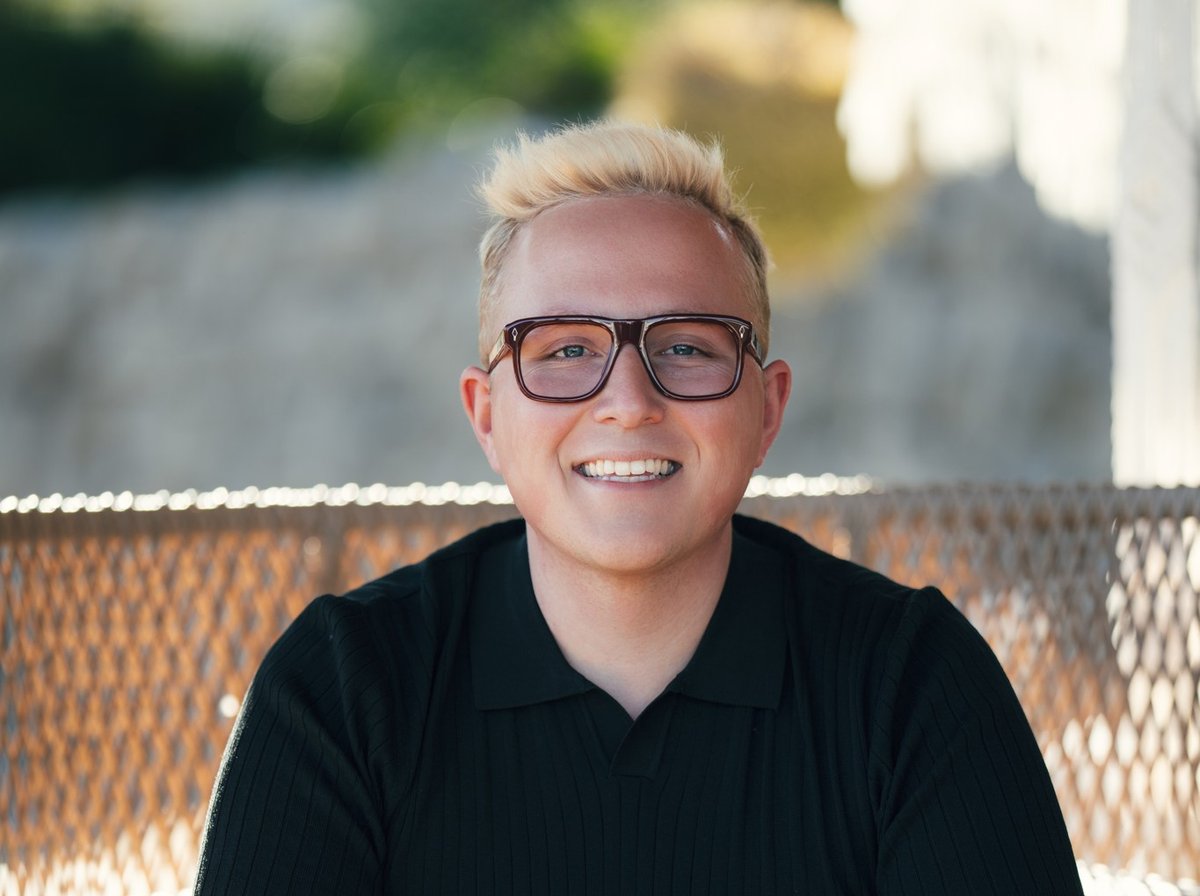
A real doctor. A real clinic.
Dr. med. univ. Julian Douwes · Medical Director
Part of Clinicum St. Georg, under the medical direction of Dr. med. univ. Julian Douwes. Outpatient, evidence-graded, without medication as the first step — tailored to your profile. More on our program.
- 30+ Years of clinical heritage
- 90+ Countries patients travel from
- 30,000+ Treatment sessions delivered
In three calm steps
Long COVID & Post-COVID (Brain Fog, Fatigue): let’s talk about your path.
In a free consultation we clarify whether and how our measured program could fit you — no obligation, fully confidential.
Free & non-binding · usually a reply within 2 business days · confidential