
Multiple Sclerosis:
easing symptoms, measurably
Your disease-modifying therapy keeps the relapses in check. It often does not keep the fatigue, the spasticity, the fog in your head or the low mood in check. That is exactly where we work, in coordination with your neurologist, and we measure what changes in daily life.
- Free
- No obligation
- Reply within 2 business days
- Outpatient · Bad Aibling
- Non-invasive
Free & non-binding · usually a reply within 2 business days · confidential
Prefer to talk? Call us: +49 (0)8061 398-0
MS means living with unpredictability: good days, hard days, a fatigue nobody sees, and sentences like “unfortunately we have little for that”. What you are probably looking for is one more hour of energy in the afternoon and a night in which the leg does not pull. Those are goals that can be measured, and those are the ones we work on.
MS is the most common chronic inflammatory disease of the central nervous system in young adults; an estimated 250,000+ people live with it in Germany.
Are you a family member or carer? You are in the right place too — call or write to us; we support you alongside.
Symptoms have a map
In MS the immune system attacks the myelin sheaths in brain and spinal cord; nerve conduction becomes slower and unreliable. Depending on where the lesions sit, different networks are affected: the sensorimotor network (spasticity, gait, balance), the central executive network (concentration, “brain fog”) and the limbic network (mood). The fatigue arises from the interplay: ongoing immune activation sends inflammatory messengers into the brain, the networks need more energy for the same output, and sleep broken by spasticity or bladder urgency takes away their recovery. So inflammation status, sleep and energy sit in the same plan as the stimulation.
For an overview of the six brain networks and a first orientation, see the Brain Network Analysis.
Alongside your neurological care: what can be done for everyday life.
Every patient starts with a structured assessment: your findings and MRI reports, the history of relapses, questionnaires on fatigue, sleep and mood, a clinical examination, lab work where needed. A qEEG is added when cognition or mood is the question and we want to see which network is out of rhythm. From this we build a complementary program that adds to your neurological care and involves your neurologist: rTMS or iTBS for spasticity, pain and mood, tDCS for fatigue and concentration, neurofeedback for self-regulation and physiotherapy, which turns stimulation into gait and balance. Beside it sit sleep, exercise and whatever the lab shows. Your disease-modifying therapy and all other medication stay as they are unless your neurologist decides otherwise. Bring the latest doctor’s letter to the first consultation.
Our aim stays the same: to restore functional balance, with as little medication as possible and a life with high quality of life as the measure.
You don’t have to decide anything today. A 15 to 20 minute conversation is enough to know whether an assessment is worth it for you.
Free & non-binding · usually a reply within 2 business days · confidential
Who it is for, and who it is not for
A good fit if …
- Medication or therapy has not been enough so far
- You are looking for a measurement-based, non-invasive path
- You are open to outpatient treatment in Bad Aibling
Less suitable if …
- You expect a purely remote or online treatment without on-site diagnostics
- You expect a guarantee — serious medicine cannot give one
In an acute crisis or having suicidal thoughts? Please seek immediate medical or emergency help — in Germany call 112, or the free 24/7 helpline Telefonseelsorge 0800 111 0 111.
The first consultation is free. We discuss the scope, duration and cost of any program openly afterwards, outpatient, here in Bad Aibling.
What the research shows
Peer-reviewed work on Multiple Sclerosis and the relevant procedures, graded by evidence level. No study proves an individual outcome.
In short: for some procedures the evidence is solid, for others still early. Where your case stands is settled in the assessment, and the program follows from it.
Intermittent theta-burst stimulation improves spasticity, pain and cognition in progressive MS (pilot RCT)
Theta-burst stimulation in MS management (systematic review)
Non-invasive brain stimulation and balance control in MS (systematic review + meta-analysis)
Telehealth-based tDCS improves cognitive outcomes in MS (sham-controlled RCT)
Aquatic therapy for fatigue, mobility and quality of life in MS (systematic review + meta-analysis)
Resistance training in MS (systematic review + meta-analysis of randomized trials)
More studies across all conditions: Science & Studies.
For iTBS and tDCS in MS, randomised pilot trials and a systematic review show effects on spasticity, pain, cognition and fatigue; the evidence is young, and these methods do not change the course of MS. Whether your fatigue responds shows in questionnaires and daily life over the course, and after that we decide together whether to continue.
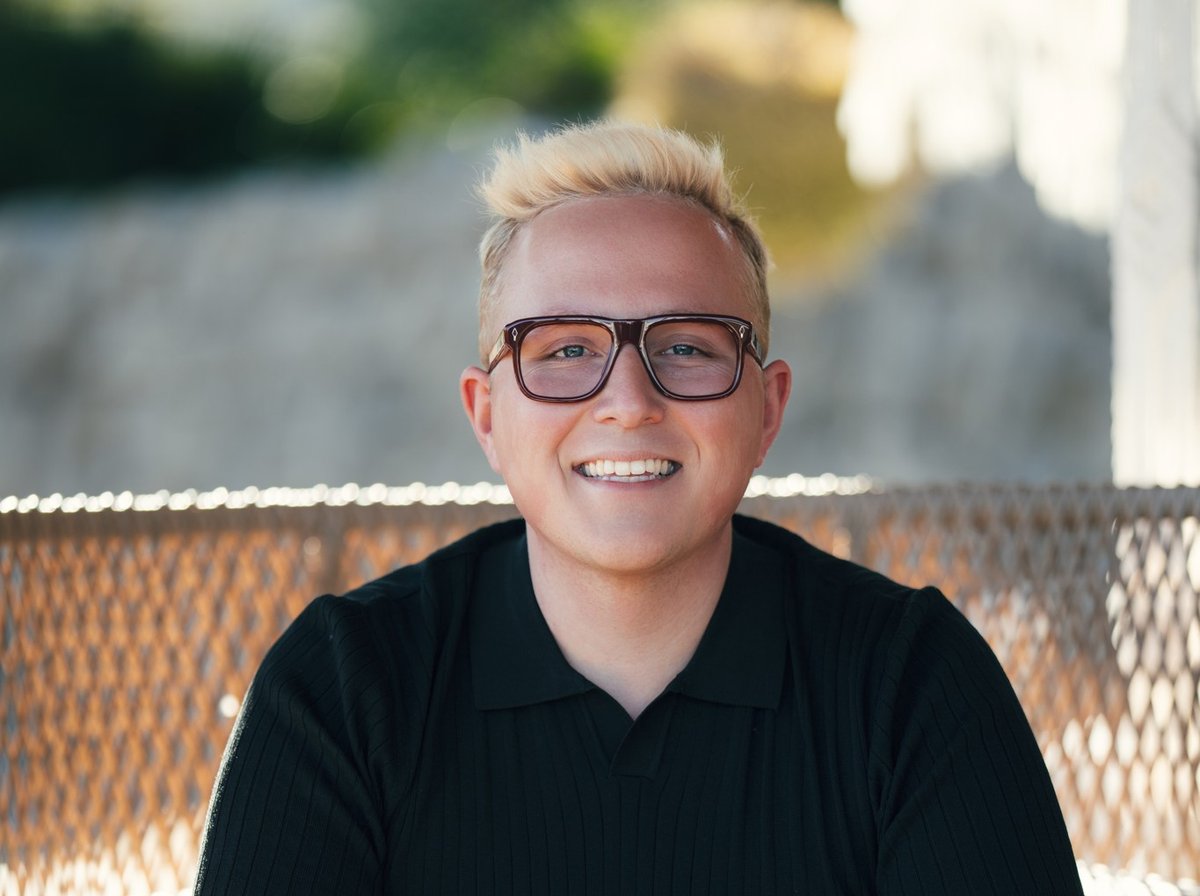
A real doctor. A real clinic.
Dr. med. univ. Julian Douwes · Medical Director
Part of Clinicum St. Georg, under the medical direction of Dr. med. univ. Julian Douwes. Outpatient, evidence-graded, without medication as the first step — tailored to your profile. More on our program.
- 30+ Years of clinical heritage
- 90+ Countries patients travel from
- 30,000+ Treatment sessions delivered
In three calm steps
Multiple Sclerosis: let’s talk about your path.
In a free consultation we clarify whether and how our measured program could fit you — no obligation, fully confidential.
Free & non-binding · usually a reply within 2 business days · confidential