Douwes Brain Center
The Douwes Brain Center team

Whoever treats you
also sees you

The physician who talks with you in the first consultation also sets your protocol and sits beside you again at the follow-up. Behind that stands Clinicum St. Georg, a hospital in Bad Aibling.

Leadership

Three disciplines, one table

The team is built so that internal medicine, psychology and neuromodulation sit at one table. Immune system, hormones, gut, sleep and psyche shape how a network behaves; whoever stimulates only the network overlooks half of the findings.

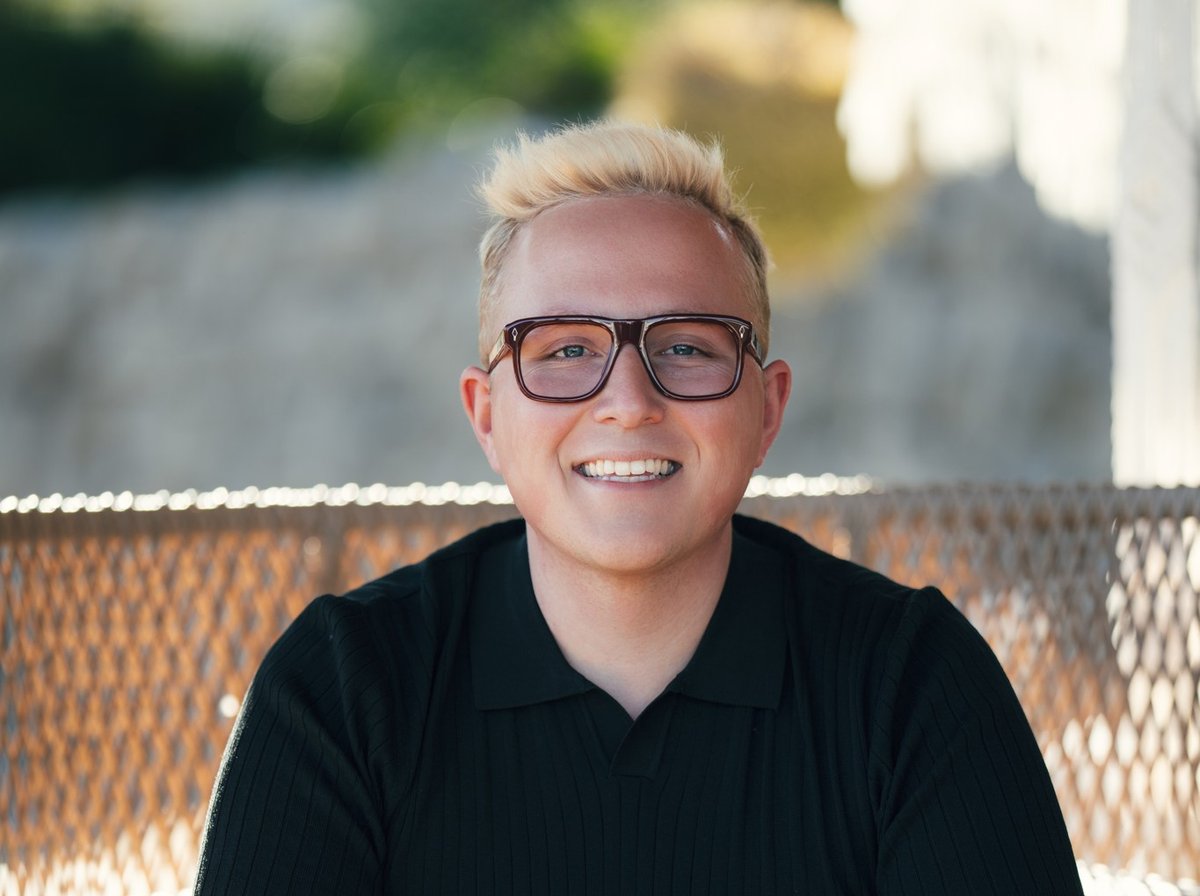
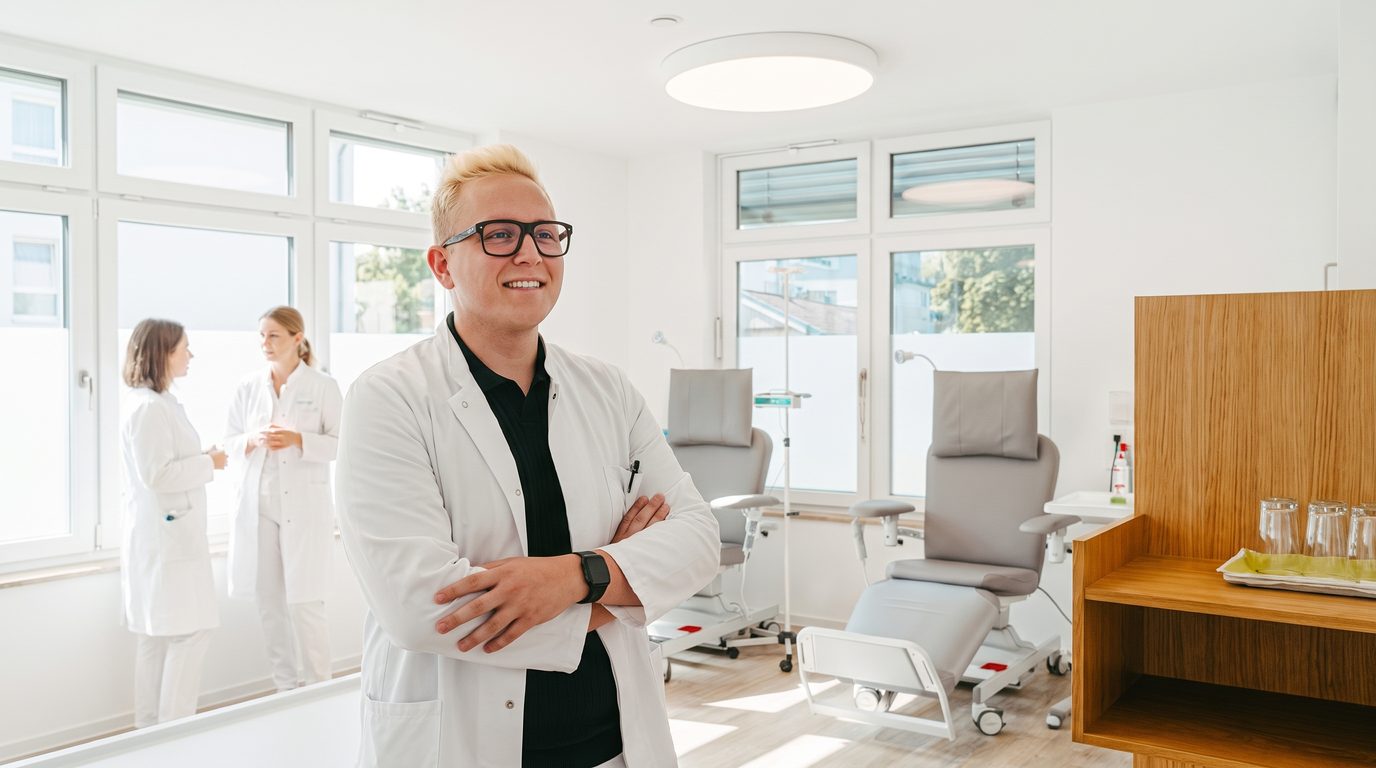
Dr. med. univ. Julian Douwes, Chief Medical Officer of the Douwes Brain Center
Dr. med. univ. Julian Douwes
Chief Medical Officer

Dr. med. univ. Julian Douwes

Neuromodulation & brain health

Clinical lead of the Douwes Brain Center and Chief Medical Officer of Clinicum St. Georg. He owns the centre’s measurement-based approach and decides which procedure fits which findings.

He grew up in this hospital and treats patients there six days a week; neuromodulation and objective brain diagnostics are brought into exactly that routine, with the evidence level of every procedure stated openly. Read more about his work and publications at juliandouwes.com and st-george-hospital.com.
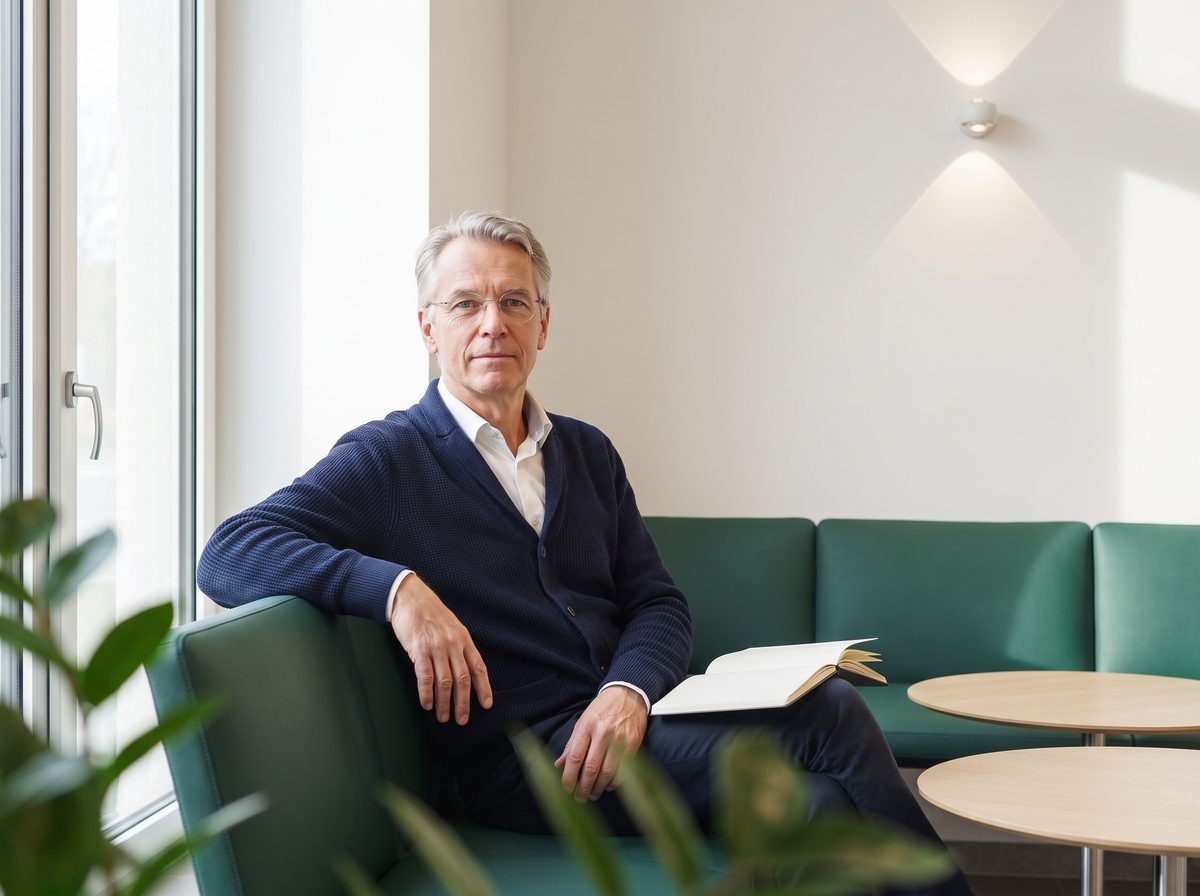
Dr. med. Martin Rößner, Chief Physician (illustrative image)Illustrative
Illustrative image, portrait to follow
Chief Physician

Dr. med. Martin Rößner

Specialist in internal medicine

Dr. med. Martin Rößner leads the internal medicine side of the program as Chief Physician. Before any network is stimulated, he checks what the body behind it is dealing with: thyroid and cortisol, inflammation markers, an infection that will not let the immune system rest, the medication you already take. A sluggish prefrontal cortex in someone with an underactive thyroid is a thyroid case first, and that call is made in his consulting room before a coil comes into play. When the assessment calls for lab work, infusions or a stay on the ward, it happens in the same building.

Katrien Boode, Lead Clinical Psychologist (illustrative image)Illustrative
Illustrative image, portrait to follow
Lead Clinical Psychologist

Katrien Boode

Clinical psychology

Katrien Boode leads clinical psychology at the centre. In the assessment, the questionnaires and the conversation about what no qEEG can show are hers: lived experience, relationships, sleep, a trauma that has measurably changed how networks are wired. From that picture she decides with the physician whether psychological support runs alongside stimulation, and how closely. For depression, anxiety, burnout and after trauma that is the rule, because wiring changes through pulses and just as much through what you live through in those weeks.

Backed by Clinicum St. Georg

A hospital behind every session

The Douwes Brain Center is the neuro-medical arm of Clinicum St. Georg, founded in 1991 in Bad Aibling, rooted in integrative medicine for more than three decades and a destination for patients from over 90 countries. For you that means a laboratory, internists and wards in the same building if the assessment points somewhere unexpected.

Origins, founder and history are on About us.

Founder & Legacy

Dr. med. Friedrich Rudolf Douwes (1945–2022)

Dr. med. Friedrich Rudolf Douwes founded Clinicum St. Georg and over three decades shaped its standard of seeing the person first and treating second. His son has carried that standard into a new field; the Brain Center is the department where it is now applied to brain networks.

Your care team

The people you actually meet

First the conversation and the assessment with the physician, the qEEG measurement with the diagnostics specialist where it is needed, then the plan. In the treatment weeks you see the same faces again, and at the follow-up the person beside you is the one who wrote the plan.

Illustrative portraits, real team photos to follow. The people shown are symbolic placeholders, with the exception of Dr. med. univ. Julian Douwes

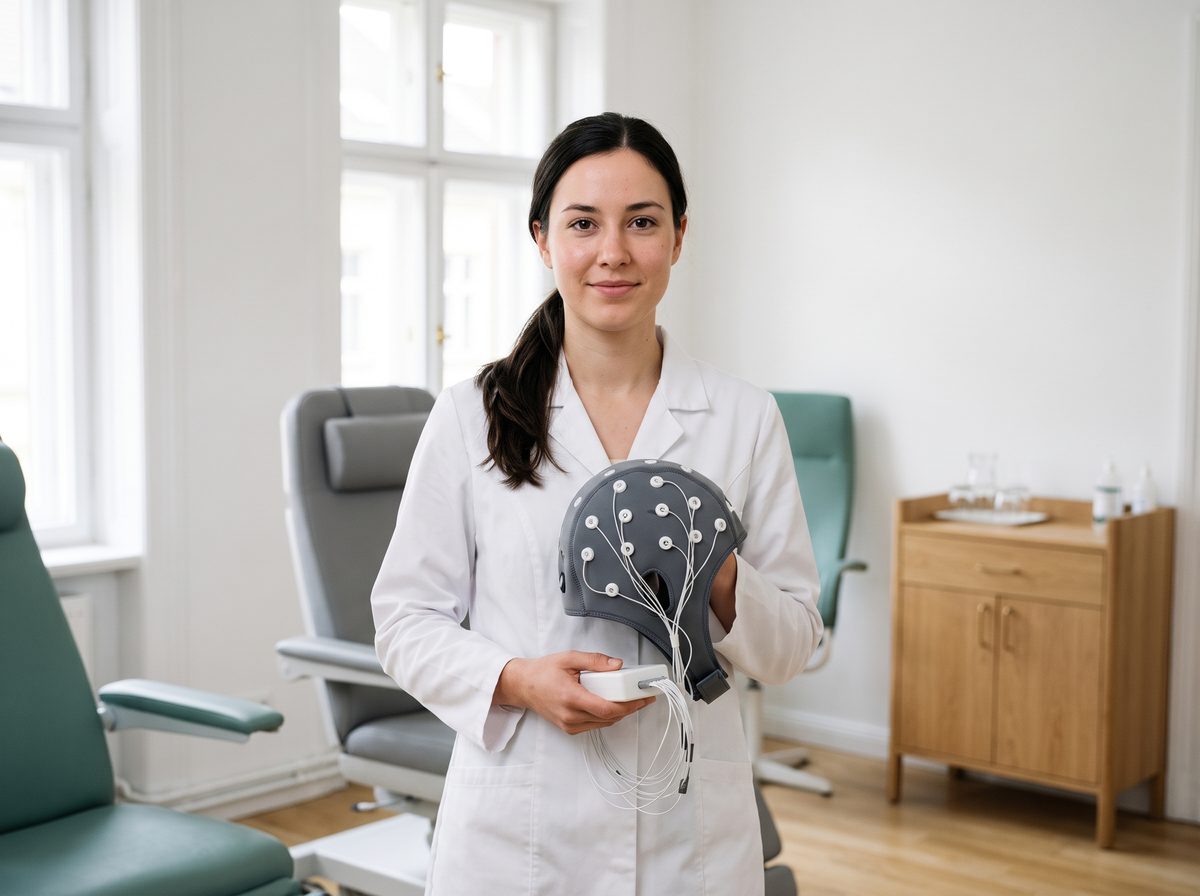
Diagnostics specialist, Neurophysiology / EEG (illustrative image)Illustrative
Neurophysiology / EEG

Diagnostics specialist

Fits the electrode cap when the assessment calls for a qEEG, records your brain activity and checks every channel before it becomes an image. At the end of a series the same person repeats the same measurement for comparison.

Our diagnostics →
Clinical psychologist, Psychology (illustrative image)Illustrative
Psychology

Clinical psychologist

Accompanies the treatment weeks for depression, anxiety, burnout or trauma, helps you make sense of what changes between sessions and holds the protected space for it. The emotional side runs in parallel with the device-based therapy.

Conditions we treat →
Attending physician, Physician care (illustrative image)Illustrative
Physician care

Attending physician

Talks with you in the first consultation, runs the assessment, reads the findings and, where there was one, the qEEG, writes the plan and decides on the site, frequency and duration of stimulation. The same person sees you at the follow-up and adjusts the protocol when the course calls for it.

Our treatments →
How we work together

Diagnostics and therapy from one hand

Every patient starts with a structured assessment: history, existing findings, questionnaires, clinical examination, and where needed lab work and imaging. Whether qEEG brain mapping is added is decided after that. Assessment, plan, neuromodulation and follow-up then sit in one hand: internal medicine, psychology, diagnostics and the physician discuss the same findings instead of sending you from door to door.

Talk to our team

The free consultation takes 15 to 20 minutes with someone from the medical team. Bring your reports; you leave knowing who would treat you, and with what.

Book a free consultation +49 (0)8061 398-0
CallBook a free consultation