
Alzheimer’s & Dementia:
holding on to the good years
A dementia diagnosis does not end the time in which something can be done. Orientation, sleep, mood and daily life depend on more than the amyloid in the brain. That is what we work on, with you or with your mother, your father, for as long and as well as we can.
- Free
- No obligation
- Reply within 2 business days
- Outpatient · Bad Aibling
- Non-invasive
Free & non-binding · usually a reply within 2 business days · confidential
Prefer to talk? Call us: +49 (0)8061 398-0
Perhaps you notice that names, appointments or familiar routes are getting harder, in yourself or in someone you love. Perhaps you were told this is simply age and there is nothing beyond tablets. That is frightening, and many families are left alone with it. Here you get calm, respect and a clear view of what carries daily life now.
Around 1.8 million people in Germany live with dementia; Alzheimer’s is the most common form. Risk rises markedly with age.
Symptoms have a map
In Alzheimer’s and related dementias the earliest changes usually involve the memory and self-referential networks: the default mode network with the hippocampus as its memory hub and the limbic network for emotion and drive. Planning and attention come under pressure later. How quickly this shows in daily life depends on systems outside these networks. During deep sleep the brain clears metabolic waste such as amyloid; whoever sleeps badly loses this nightly cleaning, and the confusion the next day grows. So sleep comes first in the plan. And nerve cells are the most energy-hungry cells in the body: when their mitochondria deliver less energy under chronic inflammation or nutrient deficiency, performance drops before any scan shows it. So inflammation and metabolic values belong in the assessment. Imaging and a neurological examination rule out other, treatable causes.
For an overview of the six brain networks and a first orientation, see the Brain Network Analysis.
The assessment first, then your program.
Everything begins with a structured assessment: the findings from your memory clinic, history taken together with relatives, standardised cognitive tests, questionnaires on sleep and mood, clinical examination, lab work and imaging where needed. A qEEG brain mapping is added when we want to know which networks have slowed, and it is the basis once stimulation becomes part of the plan. From this we build an outpatient program under the roof of Clinicum St. Georg, coordinated with your treating physicians. Neuromodulation is one building block in it: rTMS or TPS where the profile suggests it, photobiomodulation to support the energy supply, neurofeedback where attention can still be trained. Beside it stand sleep regulation, movement, nutrition and the treatment of sources of inflammation, plus support for the family. Donepezil and all other medication remain your neurologist’s decision. How the program is structured is described in our program.
Our aim stays the same: to restore functional balance, with as little medication as possible and a life with high quality of life as the measure.
You don’t have to decide anything today. A 15 to 20 minute conversation is enough to know whether an assessment is worth it for you.
Free & non-binding · usually a reply within 2 business days · confidential
Who it is for, and who it is not for
A good fit if …
- Medication or therapy has not been enough so far
- You are looking for a measurement-based, non-invasive path
- You are open to outpatient treatment in Bad Aibling
Less suitable if …
- You expect a purely remote or online treatment without on-site diagnostics
- You expect a guarantee — serious medicine cannot give one
In an acute crisis or having suicidal thoughts? Please seek immediate medical or emergency help — in Germany call 112, or the free 24/7 helpline Telefonseelsorge 0800 111 0 111.
The first consultation is free. We discuss the scope, duration and cost of any program openly afterwards, outpatient, here in Bad Aibling.
What the research shows
Peer-reviewed work on Alzheimer’s & Dementia and the relevant procedures, graded by evidence level. No study proves an individual outcome.
In short: for some procedures the evidence is solid, for others still early. Where your case stands is settled in the assessment, and the program follows from it.
Network meta-analysis: photobiomodulation, tDCS and rTMS in Alzheimer’s disease
tDCS in Alzheimer’s disease – systematic review and meta-analysis
tDCS and cognitive function in MCI and Alzheimer’s – meta-analysis
Non-invasive neuromodulation to improve cognition in Alzheimer’s – meta-analysis
rTMS combined with non-pharmacological interventions in cognitive disorders – meta-analysis
Transcranial pulse stimulation (TPS) in dementia
More studies across all conditions: Science & Studies.
TPS is CE-certified for mild to moderate Alzheimer’s dementia, and the evidence for neuromodulation in dementia is growing; by current knowledge it cannot halt the course. Our program therefore aims at what carries daily life most: orientation, sleep, mood, participation.
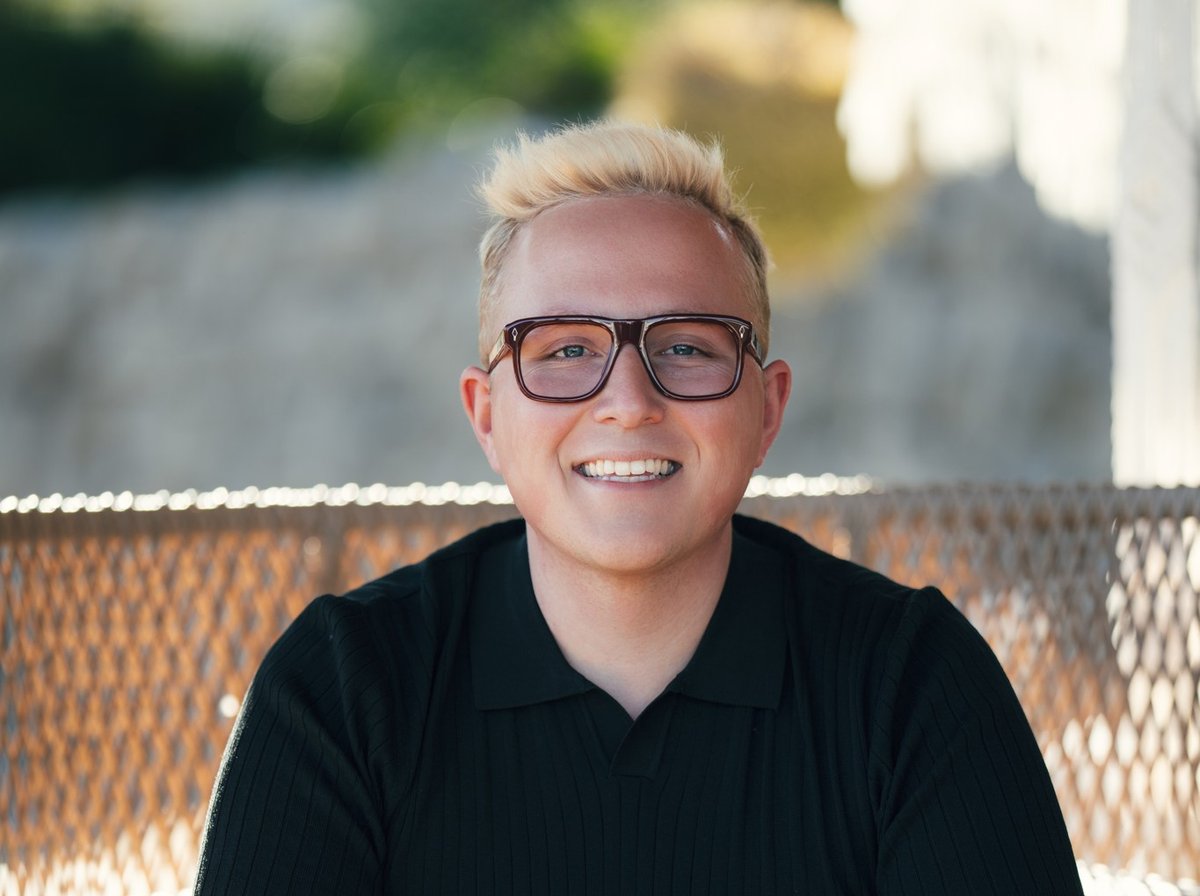
A real doctor. A real clinic.
Dr. med. univ. Julian Douwes · Medical Director
Part of Clinicum St. Georg, under the medical direction of Dr. med. univ. Julian Douwes. Outpatient, evidence-graded, without medication as the first step — tailored to your profile. More on our program.
- 30+ Years of clinical heritage
- 90+ Countries patients travel from
- 30,000+ Treatment sessions delivered
In three calm steps
Alzheimer’s & Dementia: let’s talk about your path.
In a free consultation we clarify whether and how our measured program could fit you — no obligation, fully confidential.
Free & non-binding · usually a reply within 2 business days · confidential