Depression:
treating the brain itself
Most people with depression have never had their brain treated, only its chemistry. rTMS is in the guidelines, and a network that has fallen out of rhythm can be addressed directly. We listen, measure carefully and look for the path that fits your brain, not a label.
- Free
- No obligation
- Reply within 2 business days
- Outpatient · Bad Aibling
- Non-invasive
Free & non-binding · usually a reply within 2 business days · confidential
Prefer to talk? Call us: +49 (0)8061 398-0
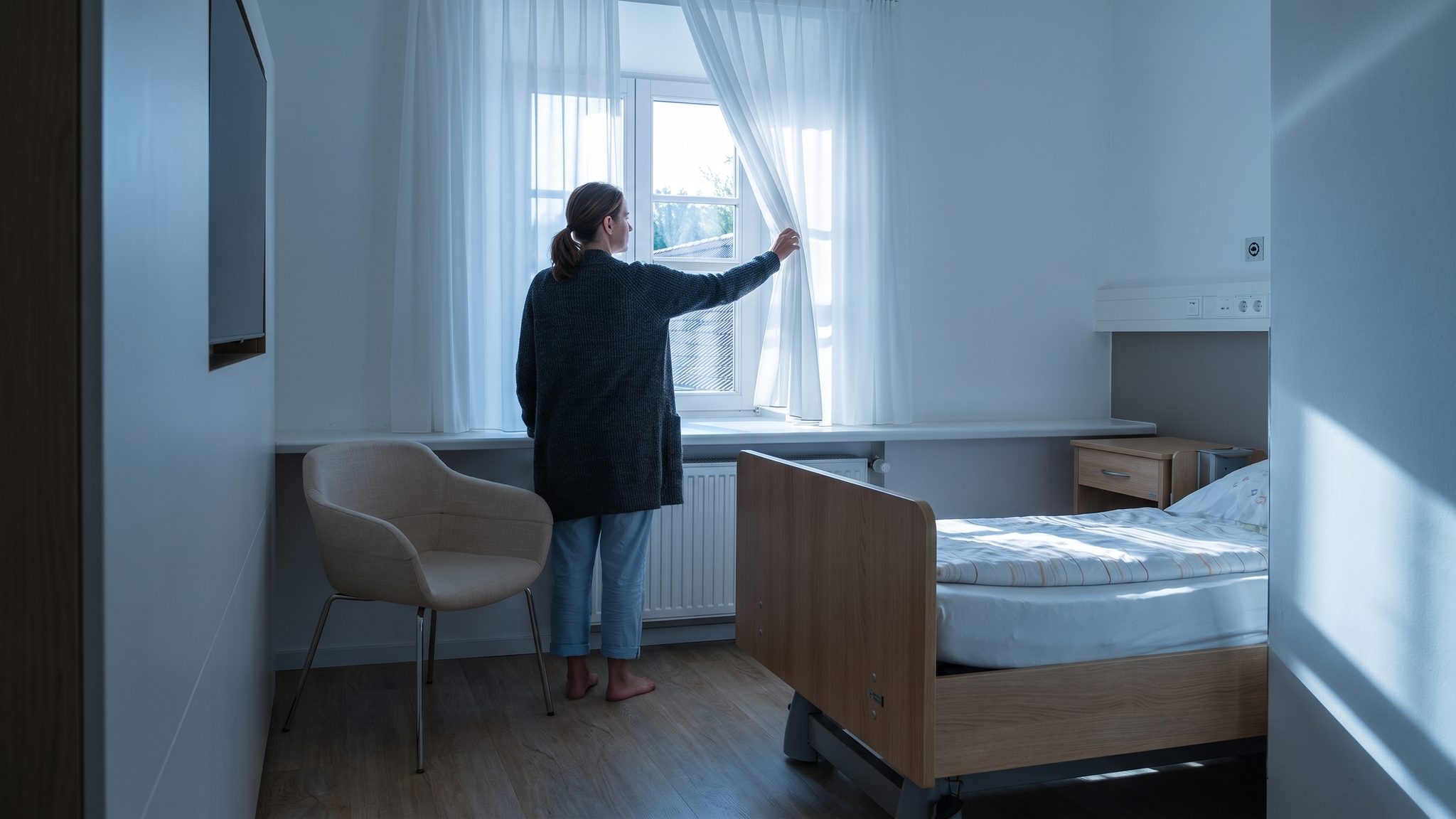
You may already have medication, talking therapy and a great deal of patience behind you, and still the heaviness returns. On the outside you keep functioning; inside it has gone empty and quiet. That is not failure and not a weakness of character. Depression has a biology that can be made visible and addressed directly.
Around one in five people experience a depressive episode in their lifetime; depression is among the leading causes of disease burden worldwide.
Symptoms have a map
In depression several brain networks fall out of balance: the limbic network (amygdala, hippocampus) processes stress and mood in overdrive, the default mode network gets stuck in rumination, and the central executive network runs dampened; which is why focus, planning and drive feel so hard. This pattern has inflows from the body. The hormones: thyroid, cortisol and sex hormones set the baseline tension of the nervous system, and a dampened prefrontal cortex under hypothyroidism is not an rTMS case but a thyroid case first; that is why lab work comes before any stimulation. The gut: gut flora and gut barrier talk to the brain through the vagus nerve and inflammatory messengers, and a silent inflammation changes how the limbic network fires; that is why we ask about digestion, nutrition and inflammatory markers. And the psyche: what you have lived through and your relationships change the wiring measurably, which is why psychotherapy is part of the plan. A physician rules out other causes.
For an overview of the six brain networks and a first orientation, see the Brain Network Analysis.
The assessment first, then your program.
In our program everything begins with a structured assessment: history, existing findings, questionnaires on mood, sleep and drive, clinical examination, lab work with thyroid, vitamin D and inflammatory markers. A qEEG brain mapping is added when we want to see which network has fallen out of rhythm in your case, and it is a prerequisite before we stimulate. Neuromodulation is one building block: rTMS over the prefrontal cortex, where needed as accelerated TMS within a few days, plus neurofeedback for stabilisation. Beside it stand sleep, movement, nutrition and gut, the hormones and psychological support. Your antidepressant stays as it is; any change is discussed with the physician who prescribed it.
Our aim stays the same: to restore functional balance, with as little medication as possible and a life with high quality of life as the measure.
You don’t have to decide anything today. A 15 to 20 minute conversation is enough to know whether an assessment is worth it for you.
Free & non-binding · usually a reply within 2 business days · confidential
Who it is for, and who it is not for
A good fit if …
- Medication or therapy has not been enough so far
- You are looking for a measurement-based, non-invasive path
- You are open to outpatient treatment in Bad Aibling
Less suitable if …
- You expect a purely remote or online treatment without on-site diagnostics
- You expect a guarantee — serious medicine cannot give one
In an acute crisis or having suicidal thoughts? Please seek immediate medical or emergency help — in Germany call 112, or the free 24/7 helpline Telefonseelsorge 0800 111 0 111.
The first consultation is free. We discuss the scope, duration and cost of any program openly afterwards, outpatient, here in Bad Aibling.
What the research shows
Peer-reviewed work on Depression and the relevant procedures, graded by evidence level. No study proves an individual outcome.
In short: for some procedures the evidence is solid, for others still early. Where your case stands is settled in the assessment, and the program follows from it.
Theta burst versus high-frequency rTMS in depression (THREE-D): a randomised non-inferiority trial
TMS and tDCS across mental disorders: a systematic review and dose-response meta-analysis
Theta burst stimulation for depression: a systematic review and network and pairwise meta-analysis
Transcranial electrical stimulation in treatment of depression: a systematic review and meta-analysis
Stanford Accelerated Intelligent Neuromodulation Therapy for treatment-resistant depression
Efficacy of bio- and neurofeedback for depression: a meta-analysis
Transcranial photobiomodulation for the management of depression: current perspectives
More studies across all conditions: Science & Studies.
For rTMS in depression there are numerous randomised trials, meta-analyses and regulatory approvals; some of those treated respond markedly, some less. Which order and which dose fit you is decided by the assessment and the course, not by the diagnosis alone.
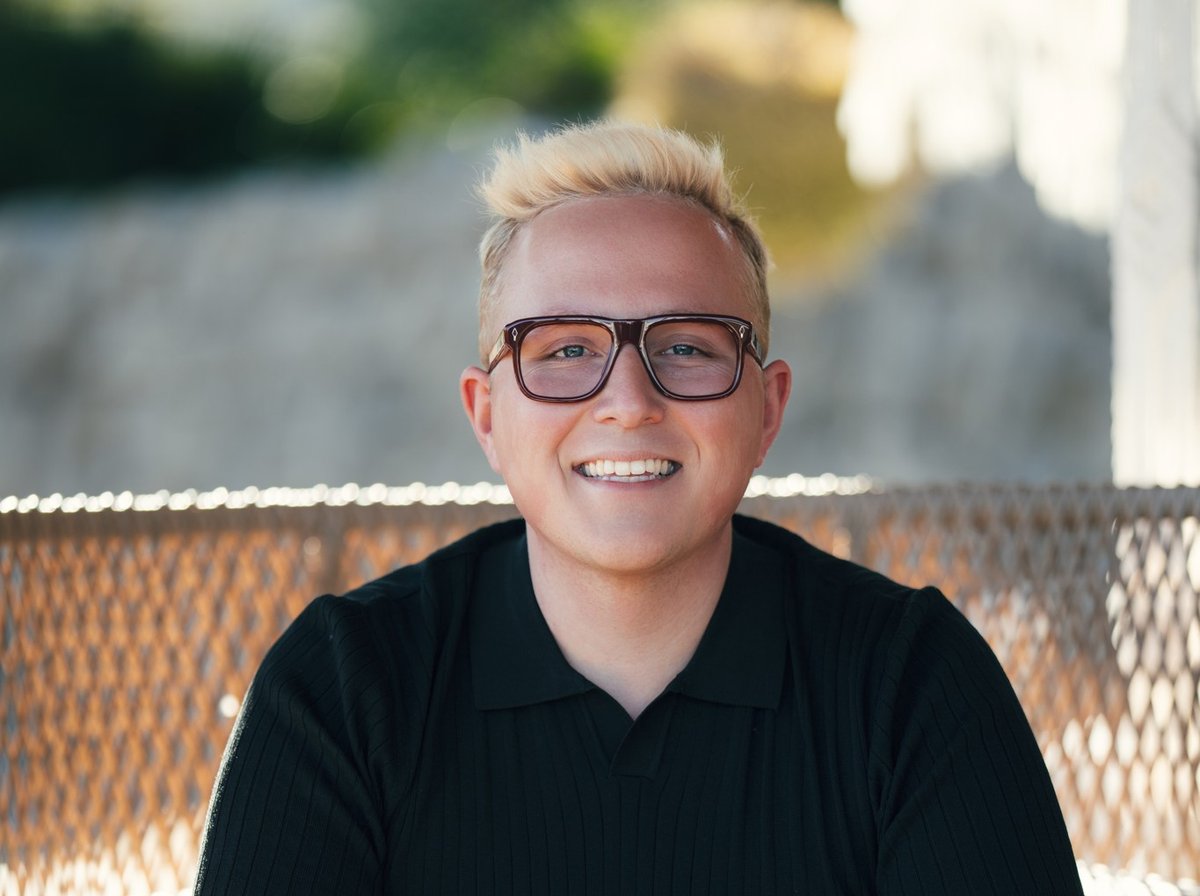
A real doctor. A real clinic.
Dr. med. univ. Julian Douwes · Medical Director
Part of Clinicum St. Georg, under the medical direction of Dr. med. univ. Julian Douwes. Outpatient, evidence-graded, without medication as the first step — tailored to your profile. More on our program.
- 30+ Years of clinical heritage
- 90+ Countries patients travel from
- 30,000+ Treatment sessions delivered
In three calm steps
Depression: let’s talk about your path.
In a free consultation we clarify whether and how our measured program could fit you — no obligation, fully confidential.
Free & non-binding · usually a reply within 2 business days · confidential