Autism spectrum:
ease the load, keep the person
Autism is not an illness to be removed. What costs energy is sensory overload, constant tension, poor sleep and the exhaustion a world that is too loud leaves behind. That can be worked on without correcting anything about you.
- Free
- No obligation
- Reply within 2 business days
- Outpatient · Bad Aibling
- Non-invasive
Free & non-binding · usually a reply within 2 business days · confidential
Prefer to talk? Call us: +49 (0)8061 398-0
Perhaps you know the feeling that the world is too loud, too fast and too much, and that explanations rarely fit. Perhaps you are reading this for your son or daughter and have heard often enough that this is just how it is. We listen without judging. The point is more calm, more sleep and more room in daily life, not conformity at any price.
Estimates suggest around 1% of the population is on the autism spectrum; many people receive the diagnosis late.
Symptoms have a map
On the autism spectrum, sensory and social networks work together differently. Often the salience network, the filter for what matters, is set more sensitively, so stimuli are harder to sort; the sensorimotor network responds over- or under-sensitively. This is a variant, not a disorder. Strain arises when two further systems join in. Sleep: in many people on the spectrum the melatonin rhythm is shifted, and every night of sleep debt makes every stimulus louder the next day; so sleep comes before everything else in the plan. And the gut: digestive complaints are common on the spectrum, and an irritated gut talks directly to the salience network through the vagus nerve and inflammatory signals; an irritated gut is often an irritated filter. A physician interprets this; assessment serves understanding, not labelling.
For an overview of the six brain networks and a first orientation, see the Brain Network Analysis.
The assessment first, then your program.
In our program everything begins with a structured assessment: history, existing findings, questionnaires on sensory processing, sleep and tension, clinical examination, lab work and gut diagnostics where needed. A qEEG brain mapping is added when a question about tension or attention calls for it, and it is the basis once neurofeedback becomes part of the plan. Neuromodulation is one building block: neurofeedback for self-regulation, and where the profile suggests it gentle methods such as tDCS, rTMS or taVNS. Beside it stand sleep rhythm, nutrition and gut, managing stimuli in daily life and psychological support, coordinated with those already supporting you. We do not change existing medication without the physician who prescribed it.
Our aim stays the same: to restore functional balance, with as little medication as possible and a life with high quality of life as the measure.
You don’t have to decide anything today. A 15 to 20 minute conversation is enough to know whether an assessment is worth it for you.
Free & non-binding · usually a reply within 2 business days · confidential
Who it is for, and who it is not for
A good fit if …
- Medication or therapy has not been enough so far
- You are looking for a measurement-based, non-invasive path
- You are open to outpatient treatment in Bad Aibling
Less suitable if …
- You expect a purely remote or online treatment without on-site diagnostics
- You expect a guarantee — serious medicine cannot give one
In an acute crisis or having suicidal thoughts? Please seek immediate medical or emergency help — in Germany call 112, or the free 24/7 helpline Telefonseelsorge 0800 111 0 111.
The first consultation is free. We discuss the scope, duration and cost of any program openly afterwards, outpatient, here in Bad Aibling.
What the research shows
Peer-reviewed work on Autism Spectrum and the relevant procedures, graded by evidence level. No study proves an individual outcome.
In short: for some procedures the evidence is solid, for others still early. Where your case stands is settled in the assessment, and the program follows from it.
Non-invasive brain stimulation for autism spectrum disorder – network meta-analysis of RCTs
rTMS and tDCS on repetitive behaviours and executive function in autism – systematic review and meta-analysis
Non-pharmacological and novel pharmacological therapies for autism – systematic review and network meta-analysis
Accelerated cTBS over primary motor cortex in children with autism – multicentre randomised sham-controlled trial
Low-frequency TMS in children with autism – sensory and behavioural outcomes of a randomised trial
Empathy and event-related potentials before and after EEG neurofeedback in autistic adolescents
More studies across all conditions: Science & Studies.
The evidence concerns individual burdens such as tension, sleep and sensory processing and comes from small controlled trials; these methods do not change the autism spectrum itself, nor should they. Which burden comes first is what your assessment tells us, not a template.
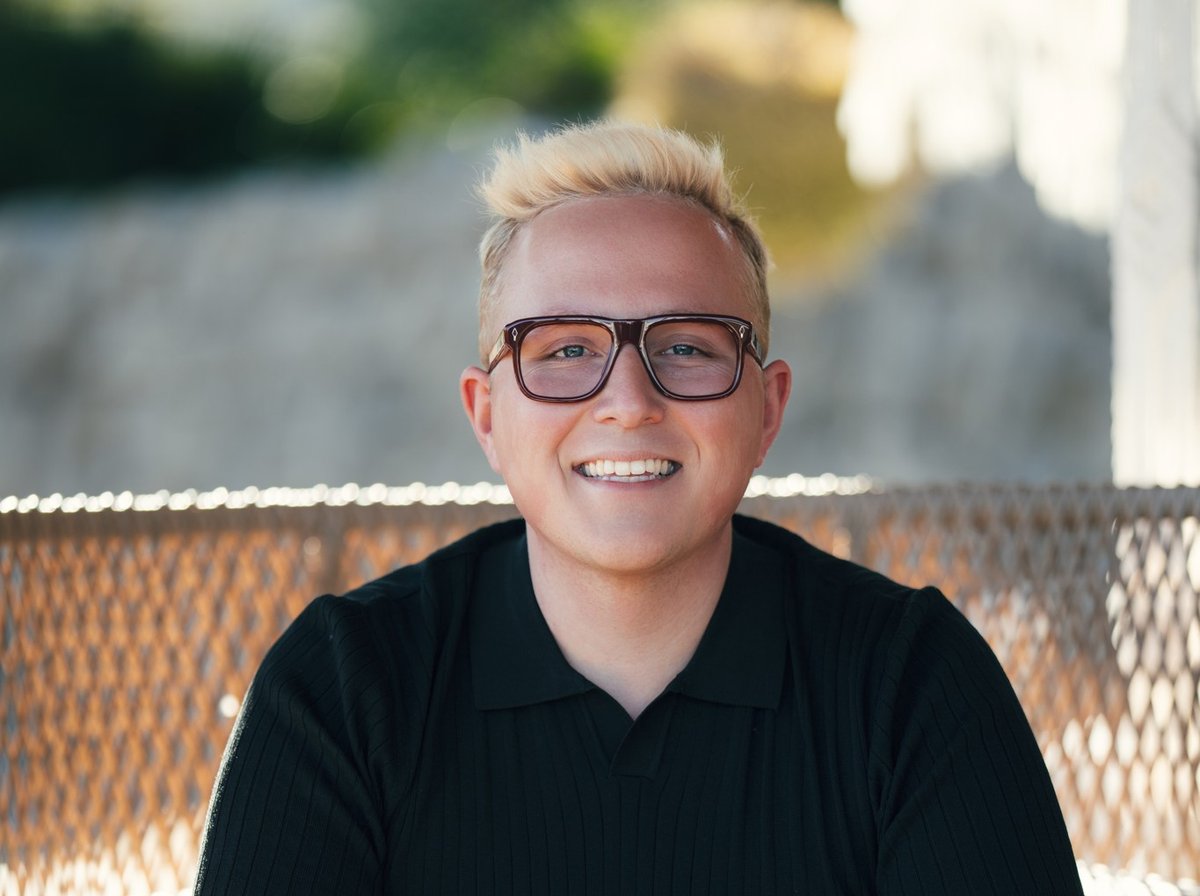
A real doctor. A real clinic.
Dr. med. univ. Julian Douwes · Medical Director
Part of Clinicum St. Georg, under the medical direction of Dr. med. univ. Julian Douwes. Outpatient, evidence-graded, without medication as the first step — tailored to your profile. More on our program.
- 30+ Years of clinical heritage
- 90+ Countries patients travel from
- 30,000+ Treatment sessions delivered
In three calm steps
Autism Spectrum: let’s talk about your path.
In a free consultation we clarify whether and how our measured program could fit you — no obligation, fully confidential.
Free & non-binding · usually a reply within 2 business days · confidential