Dr. med. univ. Julian Douwes
Physician, Chief Medical Officer of the Douwes Brain Center and Clinicum St. Georg in Bad Aibling, Germany. Focus on neuromodulation and brain health: assessment first, then treatment, graded by evidence and with as little medication as possible.
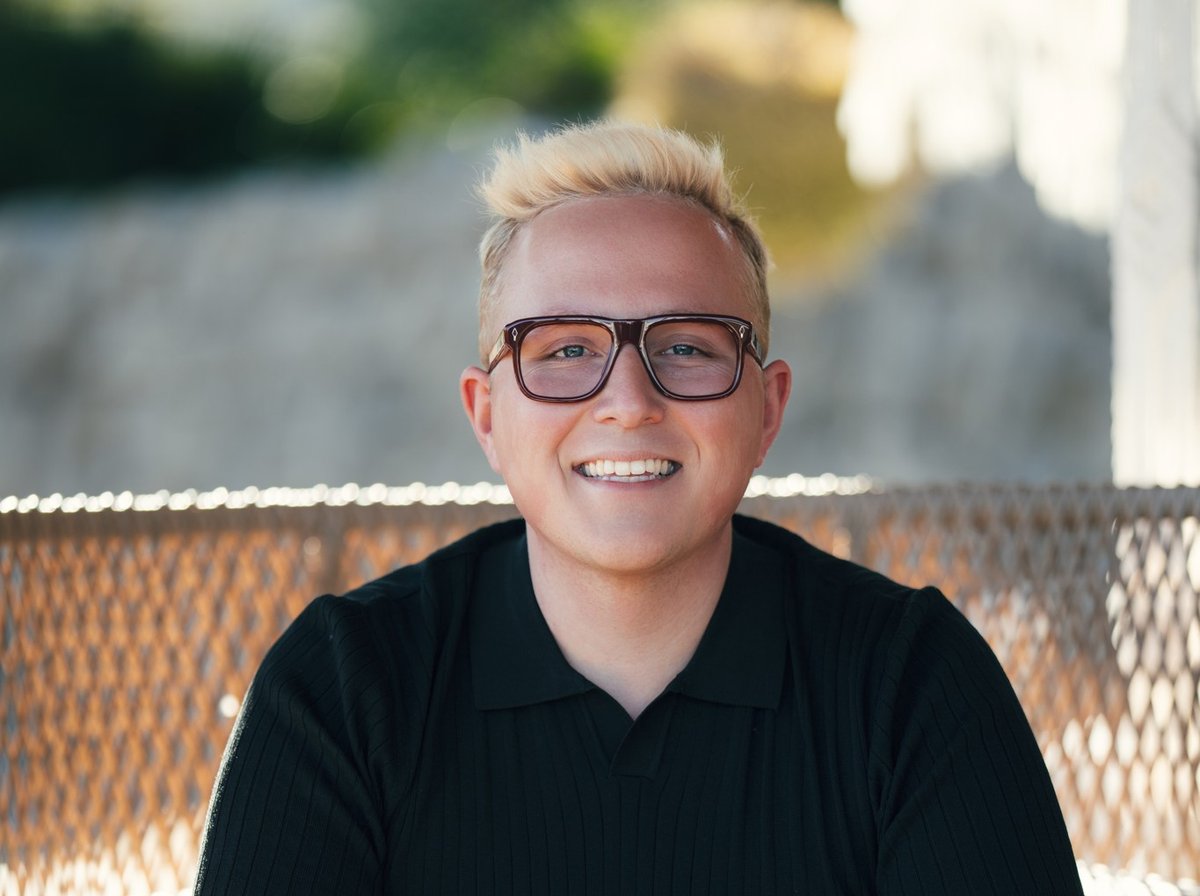
The clinical lead of the centre
As Chief Medical Officer, Dr. med. univ. Julian Douwes is responsible for the medical direction of the Douwes Brain Center: the measurement-based approach (measure first, then treat), the selection and combination of procedures, the safety standards and the grading of the evidence on every page of this website. Measuring means the assessment as a whole, from history, questionnaires and examination to lab work and imaging where they are needed; qEEG brain mapping is added when the question calls for it.
Every treatment decision at the centre passes through physician sign-off: contraindications, interactions with existing medication, and whether a procedure fits the findings. As medical director of Clinicum St. Georg he connects neuromodulation with the clinic’s integrative framework: laboratory, infusions, physiotherapy and inpatient care when it is needed.
What we hold ourselves to
“Our aim is always the same: to restore the functional balance of your brain and body. Whatever has stopped working — a network, a rhythm, a regulatory loop — we want to bring back into order, as far as possible without drugs. We work with as little medication as possible and rely instead on measurement, neuromodulation, regulation and training. The goal is not a lab value but a life with high quality of life.”
In practice this means: what can be done shows in the course of treatment, which is why we record the findings before and after. You get a plan that fits those findings and a clear answer when a procedure is not right for you. Medication remains a tool, where it is needed and at the lowest dose that carries.
More on the method: Measure first, then treat ·Our program
An organ that never works alone
I treat the person in front of me as one connected system. A brain never works on its own: immune system, hormones, gut, sleep and lived experience set how its networks fire. An infection that will not settle sends inflammatory messengers all the way into the cortex; stimulate alone at that point and you treat the consequence while the cause keeps running.
That is why rTMS, in my hands, is one building block in a larger concept. Whatever is needed alongside it, lab work, infection diagnostics, sleep, gut, belongs in the same plan, and Clinicum St. Georg has the laboratory, internists and ward in the same building. You get what your findings call for, and not whichever device happens to be free.
Medicine as a native language
Raised in the clinic
Son of Dr. med. Friedrich Rudolf Douwes (1945–2022), founder of Clinicum St. Georg. Medicine was part of everyday life from childhood; consultations, ward rounds and clinical discussions belonged to family life.
Medical training
Studied human medicine and is licensed as a physician. From the first year of medical school he worked clinically at Clinicum St. Georg, from the laboratory to the ward to the consulting room.
Chief Medical Officer
Today he is responsible, as Chief Medical Officer, for the medical direction of the Douwes Brain Center and Clinicum St. Georg, for building the neuromodulation program and for the care of international patients. Clinicum St. Georg receives patients from more than 90 countries.
Author & educator
On juliandouwes.com he writes about neuromodulation, diagnostics, infectious disease and immunology, and longevity, with the same standard as in the consulting room: name the evidence, name the limits.
Read more about the clinic’s history and its founder on About us.
What we work with
Non-invasive neuromodulation, objective brain diagnostics, and the conditions where the two together can make a difference.
rTMS
Repetitive magnetic stimulation for depression, OCD and chronic pain: classic 10 Hz series or iTBS, always after the assessment.
More →Accelerated TMS
Accelerated iTBS protocol for treatment-resistant depression, several sessions a day over about five days.
More →TPS
Transcranial pulse stimulation for Alzheimer’s dementia (CE-certified); other indications off-label after informed consent.
More →tDCS & taVNS
Direct current stimulation and auricular vagus nerve stimulation: gentle modulation of excitability and the autonomic nervous system.
More →Neurofeedback & qEEG
qEEG brain mapping when the question calls for it; neurofeedback as training of self-regulation.
More →Post-COVID & brain fog
Fatigue, concentration and memory problems after infections, placed in the assessment and graded by evidence.
More →Neurological sequelae of Lyme disease
Cognitive and neuropsychiatric symptoms after Lyme borreliosis within the integrative framework of Clinicum St. Georg.
More →Brain health
Cognitive performance, MCI and prevention: brain health as a long-term project rather than a single appointment.
More →Where the data is thin, it says so
Every procedure and every indication on this website carries an evidence grade: strong, solid, moderate, growing or early. The scale binds us: a grade we assign has to hold up against the study base.
Behind the grades are more than 240 verified, peer-reviewed studies with PubMed references: guidelines, meta-analyses, randomised trials. A high grade describes the research, not your individual course; that is why we track the course before, during and after every series. The full study base by condition and procedure is on Science & Studies.
All statements on efficacy are based on peer-reviewed studies and clinical guidelines; the current evidence level is stated on every treatment page. Outcomes are individual.
Your path in 3 steps
Assessment
History, existing findings, questionnaires and a clinical examination make up your findings. A qEEG is added when the question calls for it.
Individual plan
Your measurements become a personal treatment plan — graded by evidence, fully transparent.
Treatment
Non-invasive neuromodulation, outpatient, without medication as the first step — with progress measurement.
The first step is a free consultation, in person or by video, in English or German. How it works is described in First consultation: what to expect; the team that accompanies you afterwards is introduced on the Team page.
Talk to us
In a free first consultation we clarify whether an assessment is worth it and which building blocks come into question for you. Without obligation and in confidence.