The brain,
back in balance
We restore functional balance — as far as possible without drugs.
For people with depression, long COVID, exhaustion, chronic pain or a failing memory who have already tried a great deal. We first measure which system is out of rhythm, then treat exactly there, with as little medication as possible.
Free first conversation, 15 to 20 minutes with the medical team. A reply within two working days. Relatives welcome.
- Hospital since 1991
- Internal medicine, psychology and lab in-house
- Every procedure with a stated evidence level
Conditions
If you recognise yourself here, the first conversation is meant for you.
From treatment-resistant depression to brain fog after COVID. The starting point is always the same: your findings first, then a decision.
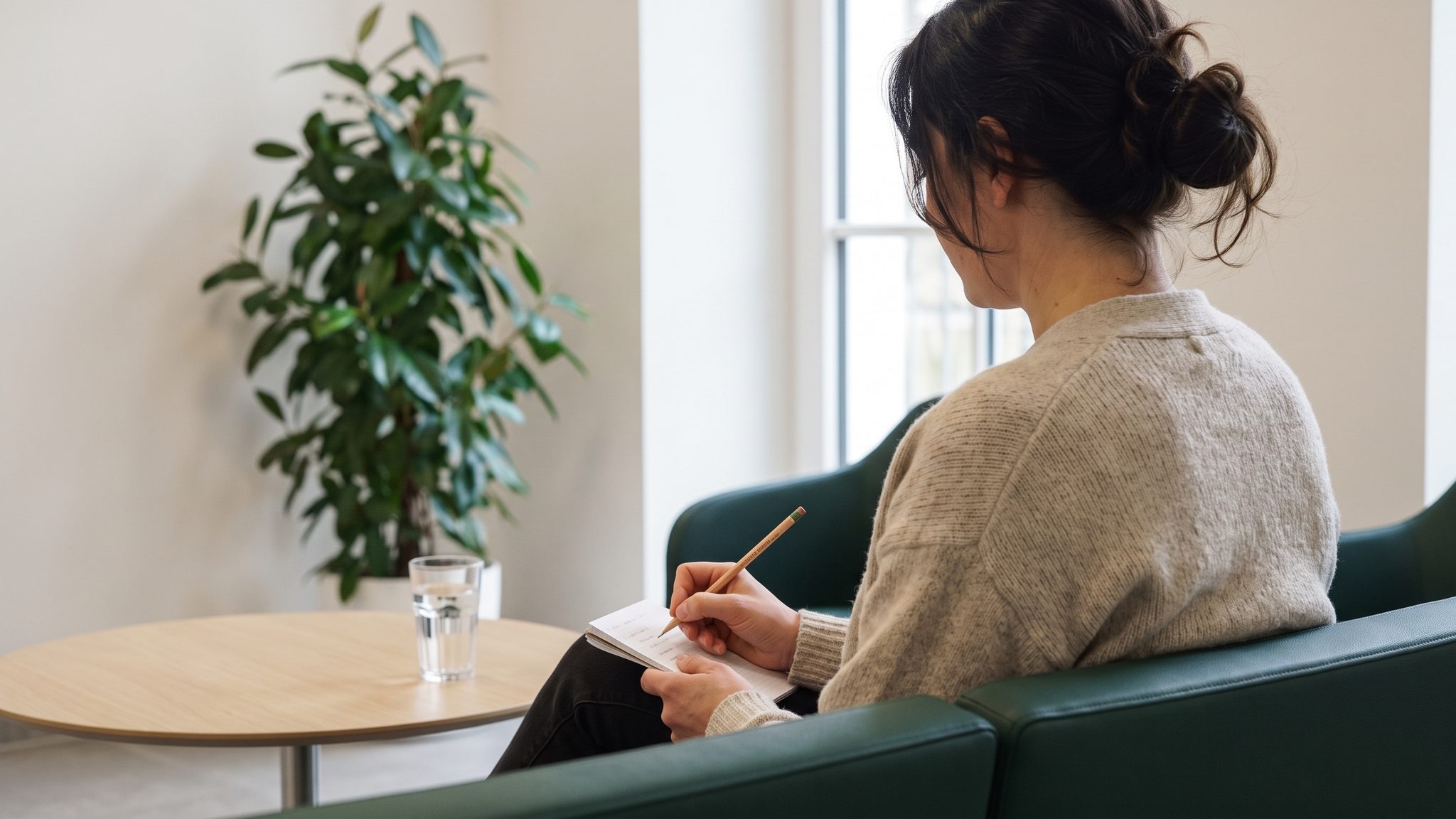 Focus areaLong COVID & Post-COVID (Brain Fog, Fatigue)When thinking does not come back after the infection: measure the networks, keep the body in the picture.Read more →
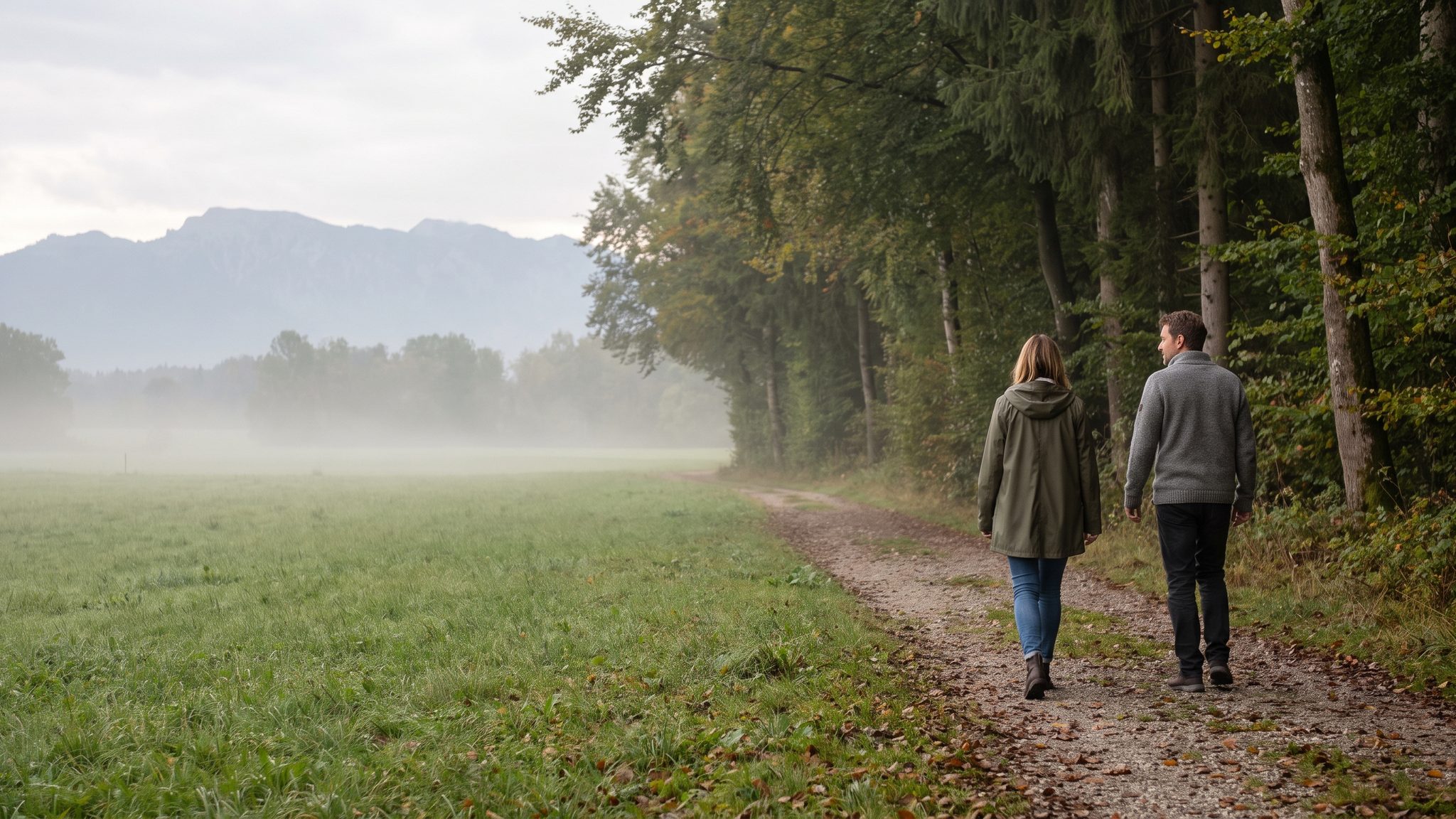 Focus areaLyme Disease & NeuroborreliosisExhaustion, fog and pain after Borrelia: reading infection and nervous system as one picture.Read more →
Mood & Anxiety
When your mood no longer carries you and medication alone does not take hold.
+ 2 more →Exhaustion & Sleep
When sleep no longer restores you and the energy for the day runs out.
Pain & Head
When pain or a ringing in the ears has become chronic.
Advanced Neurological Conditions
When a neurological diagnosis costs function you want to keep.
+ 4 more →Not listed?
In the first conversation we clarify within 15 minutes whether our approach fits your situation.
All 29 conditions →Before we talk about us
“You will have to live with it.” Rarely true.
Medications that were switched. Therapies, waiting lists, starting over. And at some point that sentence, from someone who meant well and had run out of ideas.
It describes the limits of a method, not yours. What was usually missing was a look at the brain itself: which network is out of rhythm in your case, measured rather than assumed.
What no longer works can be measured. What can be measured can be addressed precisely.
Our method
Findings first. Then a decision.
A diagnosis names a condition. It does not say which network is working too loudly or too quietly in your case, nor what in the body contributes. That is why every patient here starts with a structured assessment, and why we treat brain and body as one system.
- 01
Measure
History, physician letters, questionnaires, clinical examination, lab work. A qEEG brain map is added when the question calls for it. None of it hurts.
- 02
Regulate
Neuromodulation where the findings point: rTMS, TPS, tDCS or taVNS, plus neurofeedback, infusions and training. A drug is not the first reach.
- 03
Restore
We mean function in everyday life: sleeping, thinking, working, taking part. We measure again. If nothing moves after the first weeks, we change the programme instead of waiting.
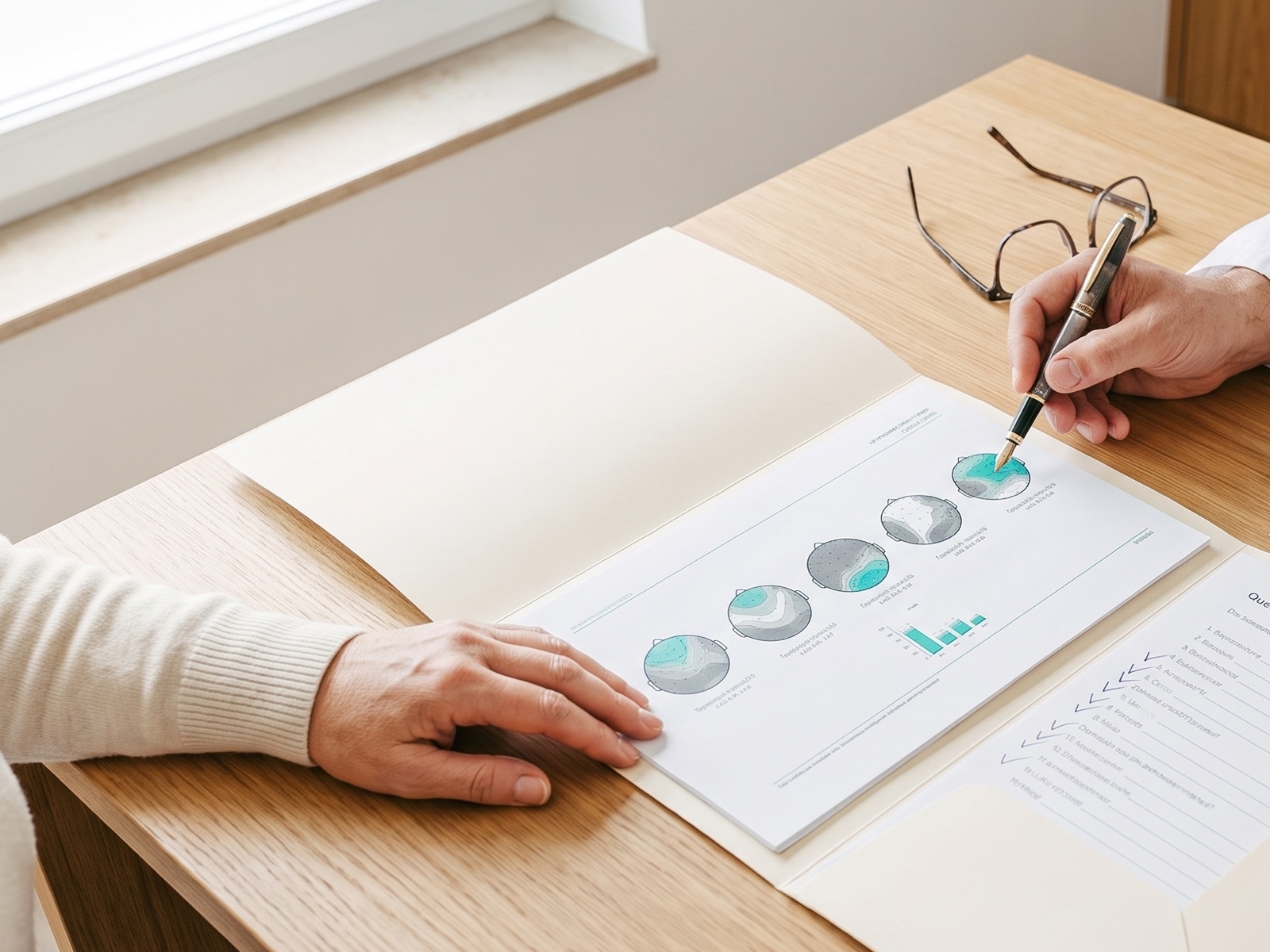
We restore functional balance — as far as possible without drugs.
The method in detailDiagnostics →Programme: schedule & duration →
We think in networks
Is neuromodulation right for me?
A symptom rarely has a single address in the brain; it arises from the interplay of several networks. The brain-network analysis shows in a few minutes which of them appear particularly strained in your case. Not a diagnosis, but a starting point you can have tonight.
Six networks · connectivity · schematic
Treatments
Nine procedures. Which one you need is decided by the findings.
The Douwes Brain Center is neither a TMS practice nor a brain-mapping practice. Every procedure is one building block, and every one carries its evidence level visibly. What is still early, we call early.
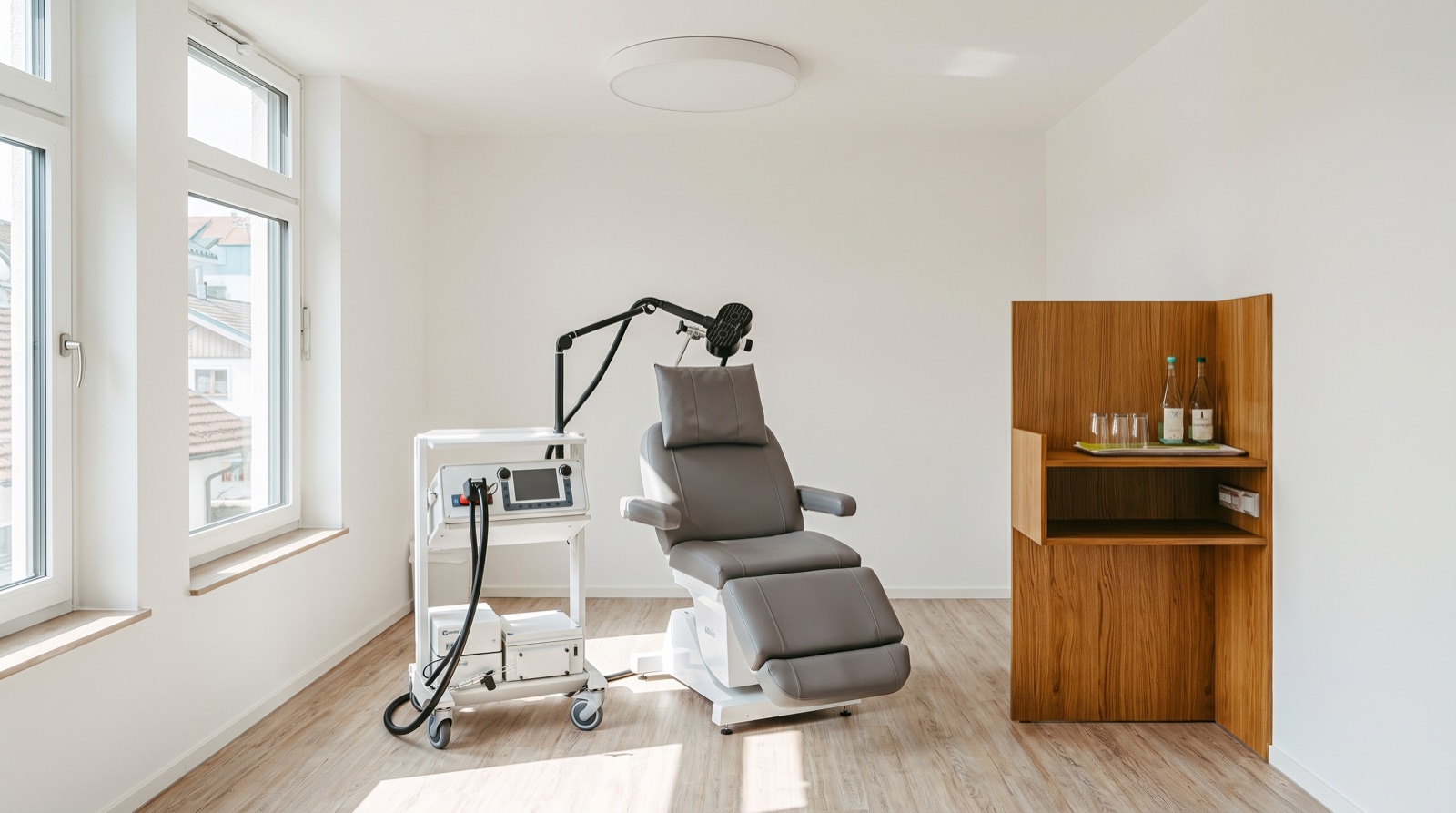
- rTMSRepetitive Transcranial Magnetic StimulationMagnetic pulses stimulate the prefrontal cortex, which is measurably underactive in depression. The primary indication is treatment-resistant depression.Evidence: strong for depression
- Accelerated TMSSAINT protocolCompresses a full rTMS course into a few days, with image-guided targeting of the prefrontal cortex.Evidence: growing (FDA-cleared 2022)
- TPSTranscranial Pulse StimulationFocused ultrasound shockwaves intended to support perfusion and neuroplasticity in targeted regions. CE-certified for mild-to-moderate Alzheimer’s; not FDA-cleared in the US.Evidence: solid for Alzheimer’s, off-label elsewhere
- taVNSVagus Nerve StimulationA gentle stimulus at the ear reaches the vagus nerve, the brake of the autonomic nervous system, and aims at its regulation.Evidence: growing
- NeurofeedbackEEG-based trainingYou watch your own brain activity in real time and train to regulate it yourself, with no external stimulation. Best evidence in ADHD.Evidence: solid for ADHD
- qEEG / Brain MappingQuantitative EEGA map of your brain activity against normative databases. It shows which network is out of rhythm and carries every choice of method we make.Diagnostics, not a therapy
- tDCSTranscranial Direct Current StimulationA weak direct current shifts the excitability of the neurons beneath the electrode and supports neuroplasticity.Evidence: moderate, well tolerated
- PhotobiomodulationNear-infrared lightRed and near-infrared light reaches the mitochondria of nerve cells and supports their energy production. Investigated for dementia, brain fog and depression.Evidence: early (promising, not established)
- Neuro-PhysiotherapyMovement-based rehabTurns what stimulation sets in motion in the network into movement and function. For stroke, Parkinson’s and balance disorders.Evidence: solid (established rehabilitation)
How to read the grading: strong, solid, growing or earlyfollows guidelines, approvals and the state of the studies; off-label means approved for a different indication.All statements on efficacy are based on peer-reviewed studies and clinical guidelines; the current evidence level is stated on every treatment page. Outcomes are individual. How we grade →
Who we are
A hospital since 1991. A son who grew up in it and treats patients in it today.
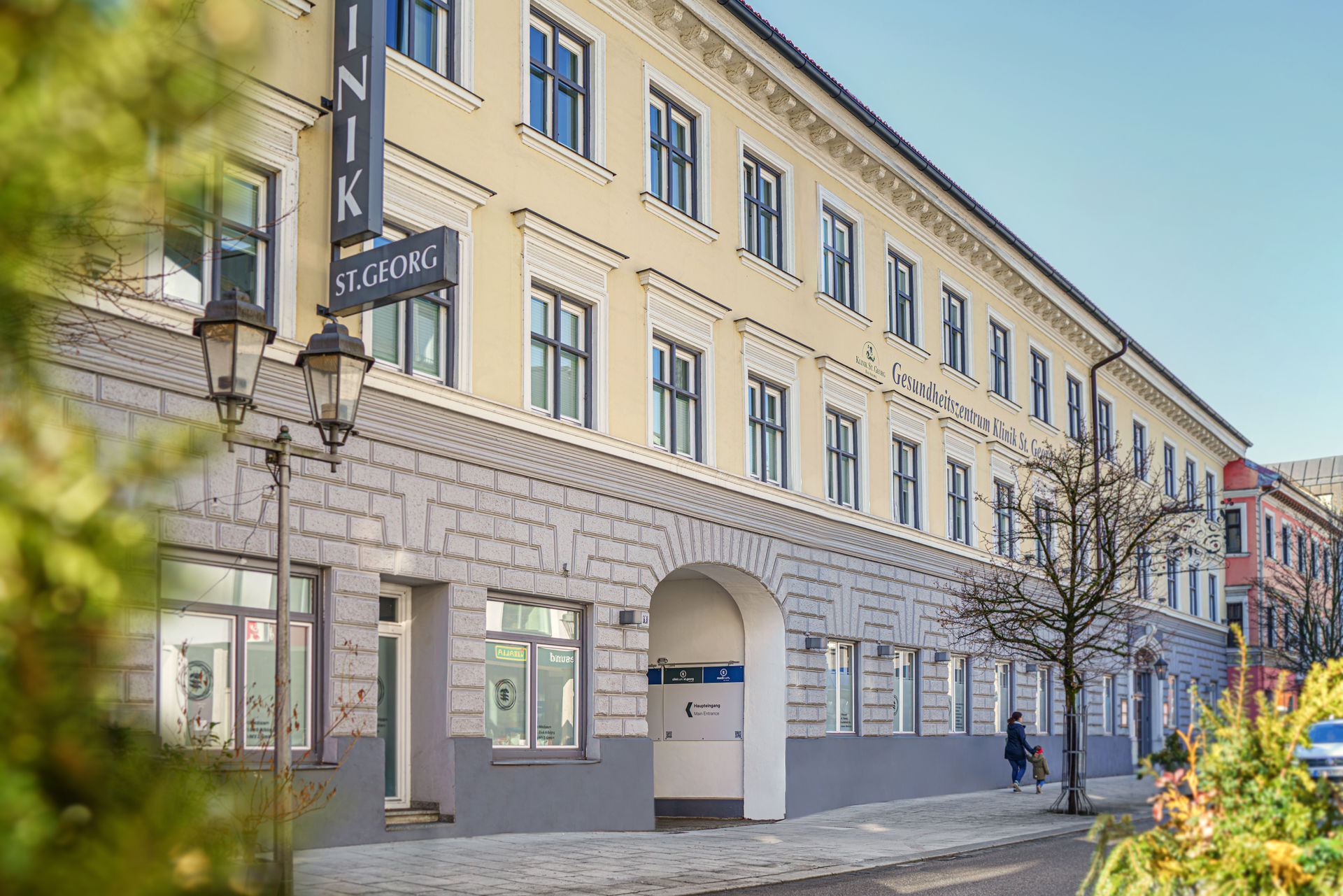
The Douwes Brain Center is the neuromodulation department of Clinicum St. Georg in Bad Aibling, a 70-bed hospital founded in 1991 by Dr. med. Friedrich Rudolf Douwes (1945–2022). Patients from more than 90 countries have come here since. The years belong to the hospital; the Brain Center is its youngest part.
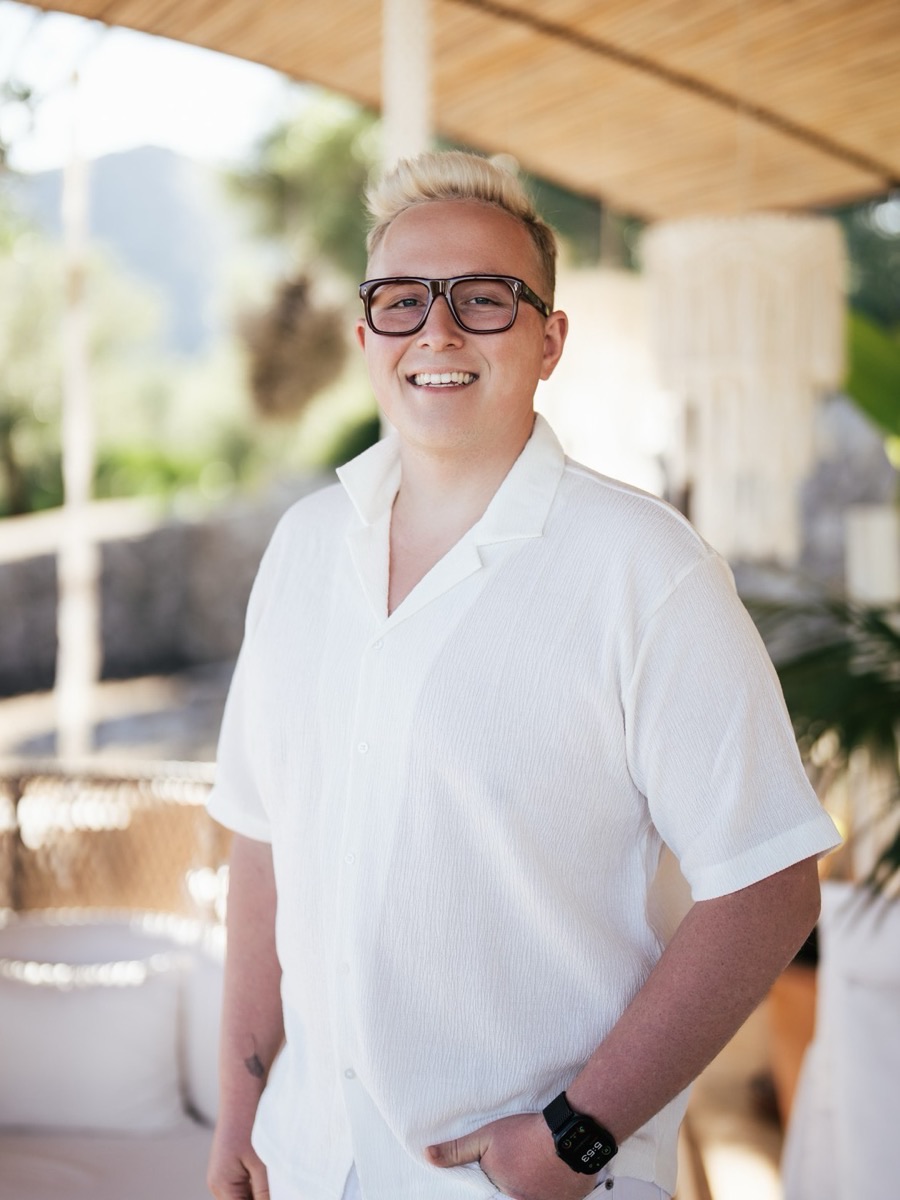
Dr. med. univ. Julian Douwes, Medical Director, grew up in this hospital and worked in its laboratory, on its wards and in its outpatient clinic from his first year of medical school. At his side:Dr. med. Martin Rößner, Chief Physician and specialist in internal medicine, and Katrien Boode, Lead Clinical Psychologist. Internists, psychology and the laboratory work under the same roof.
- 1991
- founded by Dr. med. Friedrich Rudolf Douwes (1945–2022)
- 70 beds
- internal medicine, psychology and laboratory under one roof
- over 90 countries
- from which patients have travelled to the hospital
- 50 minutes
- from Munich by car or train
For relatives
You may have the first conversation on behalf of your mother, your partner.
Many enquiries come from daughters, sons and partners. Two sentences about the situation are enough; who comes along later is something you decide together.
First conversation for a relative →For referring physicians
Evidence level per procedure, indications, process: the medical team answers directly.
The evidence behind rTMS, TPS or neurofeedback is stated on every treatment page. For questions about a specific case, the team can be reached through the hospital.
Contact for referrers →Science & studies →There is always something that can be done.
In the free first conversation, 15 to 20 minutes with the medical team, we listen and tell you whether an assessment with us makes sense in your case. The decision afterwards is yours.
You write two sentences; we reply within two working days, by phone or e-mail as you prefer. Or directly: info@clinicum-stgeorg.de